


Welcome to the Pakistan Institute of Mental Health (PIMH)
At Pakistan Institute of Mental Health (PIMH), we provide high-quality, culturally sensitive mental health care, blending evidence-based practices with personalized, compassionate treatment for individuals and families.
How Betzoid Studies the Heritage of UK Sporting Events
The United Kingdom possesses one of the richest sporting heritages in the world, having given birth to numerous modern sports and hosting legendary competitions that have shaped athletic culture globally. From the establishment of codified football rules to the creation of cricket’s international framework, British sporting events have left an indelible mark on how we understand competition, fair play, and athletic excellence. Understanding this heritage requires careful examination of historical records, cultural contexts, and the evolution of sporting traditions across centuries. This exploration reveals not merely dates and facts, but the deeper social and cultural forces that transformed local pastimes into global phenomena that continue to captivate millions today.
The Historical Foundations of British Sporting Culture
British sporting heritage traces its roots to medieval times, when activities such as archery, wrestling, and early forms of football served both recreational and practical purposes. The codification of sports began in earnest during the Victorian era, when the emerging middle class sought structured leisure activities that reflected values of discipline, teamwork, and moral character. The Football Association, founded in 1863, established the first comprehensive rules for association football, creating a template that would be adopted worldwide. Similarly, the Marylebone Cricket Club formalized cricket’s laws in 1788, providing a standardized framework that transformed a pastoral game into an organized sport.
The establishment of major sporting venues during this period created physical landmarks that would become synonymous with British sporting identity. Lord’s Cricket Ground, opened in 1814, became known as the “Home of Cricket,” while the All England Lawn Tennis and Croquet Club, founded in 1868, would host the Wimbledon Championships starting in 1877. These venues were not merely playing fields but cultural institutions that preserved traditions, maintained records, and cultivated the ceremonial aspects of sport that distinguished British athletic culture from its continental counterparts.
The spread of British sporting culture through the Empire created a global network of shared traditions and competitive frameworks. Rugby, exported to former colonies, developed distinct regional variations while maintaining connections to its British origins. Cricket became deeply embedded in South Asian, Caribbean, and Australian cultures, evolving beyond its English roots while preserving fundamental elements of the game’s heritage. This diaspora of sporting culture created a complex legacy that continues to influence international athletic competition and cultural exchange.
Methodologies for Preserving and Analyzing Sporting Heritage
Contemporary research into British sporting heritage employs diverse methodologies ranging from archival research to digital preservation techniques. Academic institutions and specialized organizations maintain extensive collections of historical documents, photographs, and memorabilia that provide primary source material for understanding how sporting events evolved over time. The British Library’s sports collection, for instance, contains over 50,000 items documenting everything from Victorian-era boxing matches to twentieth-century Olympic preparations, offering researchers unprecedented access to historical materials.
Digital technologies have revolutionized how sporting heritage is studied and preserved. High-resolution scanning of historical documents, three-dimensional modeling of historic sporting venues, and digitization of film archives have made previously inaccessible materials available to researchers worldwide. Organizations like Betzoid have developed sophisticated analytical frameworks that combine historical data with contemporary statistical methods to identify patterns and trends across decades of sporting events. These approaches allow researchers to examine not only individual competitions but broader cultural shifts reflected in rule changes, attendance patterns, and media coverage evolution.
Oral history projects have added crucial dimensions to sporting heritage research by capturing the lived experiences of athletes, coaches, and spectators. The National Football Museum’s oral history collection includes hundreds of interviews with individuals who participated in or witnessed significant moments in British football history. These personal narratives provide context that written records cannot capture, revealing the emotional, social, and cultural significance of sporting events beyond their competitive outcomes. Such qualitative data complements quantitative analysis, creating a more complete understanding of sporting heritage’s multifaceted nature.
The Cultural Significance of Traditional Sporting Events
Traditional British sporting events function as cultural touchstones that connect contemporary society with historical traditions and shared national identity. The FA Cup, established in 1871 as the world’s oldest football knockout competition, exemplifies how sporting events can maintain relevance across changing social landscapes. The competition’s structure, which allows amateur teams to compete against professional clubs, preserves democratic ideals that were central to Victorian sporting philosophy while adapting to modern professional football’s commercial realities.
The Oxford and Cambridge Boat Race, first contested in 1829, represents another enduring tradition that transcends pure athletic competition. This annual rowing race on the Thames has become a social institution, attracting hundreds of thousands of spectators and maintaining ceremonial elements that connect participants with nearly two centuries of predecessors. The event’s preservation of specific traditions—from the coin toss determining station selection to the distinctive light and dark blue colors—demonstrates how sporting events can serve as vessels for cultural continuity in rapidly changing societies.
Royal Ascot, combining horse racing with elaborate social ritual since 1711, illustrates the intersection of sport, aristocratic tradition, and popular culture. The event’s strict dress codes, royal procession, and social hierarchies reflect historical class structures while simultaneously adapting to contemporary sensibilities. This balance between preservation and evolution characterizes many traditional British sporting events, which must maintain authentic connections to their heritage while remaining accessible and relevant to modern audiences.
Contemporary Challenges in Heritage Preservation
Modern sporting heritage faces numerous preservation challenges stemming from commercialization, globalization, and changing media landscapes. The increasing financial stakes in professional sports have transformed many traditional events, sometimes prioritizing commercial considerations over historical traditions. Stadium redevelopments, while necessary for modern safety and comfort standards, often eliminate architectural features that connected venues to their historical origins. The demolition of the original Wembley Stadium in 2003, despite its iconic status as the site of England’s 1966 World Cup victory, exemplified the tensions between preservation and modernization.
Digital media’s dominance has altered how sporting heritage is experienced and transmitted across generations. While providing unprecedented access to historical footage and data, digital platforms can decontextualize sporting moments, separating them from the broader cultural narratives that gave them significance. The challenge for heritage preservation lies in leveraging digital technologies’ accessibility while maintaining the contextual depth necessary for genuine historical understanding. Museums and archives increasingly employ multimedia approaches that combine traditional artifacts with interactive digital elements, creating layered experiences that appeal to diverse audiences.
Climate change and environmental concerns present emerging challenges for outdoor sporting heritage. Historic venues designed for specific climatic conditions may require significant modifications as weather patterns shift, potentially altering characteristics that defined their historical identity. Cricket grounds’ grass pitches, central to the game’s traditional character, face maintenance challenges from changing rainfall patterns and temperature extremes. These environmental pressures require innovative conservation approaches that balance heritage preservation with practical adaptability to changing conditions.
The study of British sporting heritage reveals complex relationships between tradition and innovation, local identity and global influence, commercial pressures and cultural preservation. As sporting events continue evolving in response to technological, social, and economic changes, maintaining connections to historical foundations becomes increasingly important for preserving the cultural significance that distinguishes mere competitions from meaningful traditions. Understanding this heritage requires ongoing research, thoughtful preservation efforts, and commitment to making historical knowledge accessible to future generations who will inherit and reinterpret these traditions according to their own values and circumstances.

At PIMH, we offer a wide array of services designed to support mental health and wellness:
Your Journey to Mental Wellness Begins Here
At Pakistan Institute of Mental Health, we believe everyone deserves quality mental health care. Our dedicated team offers compassionate, effective, and culturally sensitive support to guide you or your loved one on the path to recovery and well-being.
- Advanced Certification in Addiction Psychology
- Diploma in Clinical Psychology
- Diploma in Addiction Medicine
- Diploma in Psycho-sexual Medicine
- Diploma in Education Psychology
PIMH Activities




Mental Health Awareness
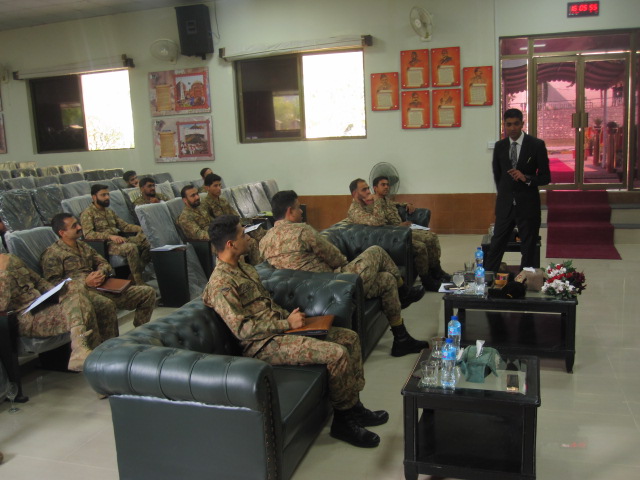
At the Pakistan Institute of Mental Health, our mission is to raise awareness about mental health issues and diminish the stigma surrounding them. Through a range of educational campaigns, community outreach programs, and advocacy efforts, we aim to foster a society that prioritizes mental well-being and provides support to those in need.
We believe that community is at the heart of mental health. PIMH actively engages with local organizations, schools and community groups to promote mental health awareness and support the cause. Our initiatives include workshops, events, and partnerships aimed at fostering a supportive environment for mental well-being.
We Offer Evidence Based Services To Improve Your Mental Health
Psychologists & Psychiatrists at PIMH treat mental health illnesses through managing their mental, emotional and social well-being.
✔ Treatment of Resistant Anxiety
✔ Obsessive Compulsive Disorder
✔ Migraine with Aura
✔ Smoking cassation
✔ Drug Addiction
✔ Post Stroke Moter and Speech Problems
✔ Austism
✔ Movement Disorder
✔ Cocaine
✔ Cannabis
✔ ICE
✔ Benzodiazepines
✔ Nelbin
✔ Alcohol
✔ Pathological Gambling
✔ ADHD
✔ Learning Disability
✔ Speech Problems
✔ Behavioral Problems
Children are Precious
Therapists at PIMH work with children and adolescents to help them resolve their issues and achieve their potential.
Behavioral Issues
⦿ Difficulty in Social Communication
⦿ Repetitive Actions and Behaviors
⦿ Struggles in Social Interaction
⦿ Sensory Sensitivities and Overreactions
⦿ Challenges Coping with Transitions
⦿ Intense Focus on Specific Interests
⦿ Expressing Emotions Poses a Challenge
⦿ Resistance to Changes in Daily Routine
⦿ Occasional Aggressive Outbursts
⦿ Engagement in Self-Injurious Behaviors
School Related Issues
⦿ Difficulty in Academic Progress
⦿ Challenges with Peer Interaction
⦿ Sensory Overload in Classroom
⦿ Communication Barriers in Educational Settings
⦿ Struggles with Following Instructions
⦿ Difficulty in Participating in Group Activities
⦿ Adaptation to Learning Environment
⦿ Specialized Learning Support Needs
⦿ Handling Changes in School Routine
⦿ Coping with School Transitions
Special Challenges
⦿ Navigating Social Relationships
⦿ Developmental Milestone Delays
⦿ Challenges in Daily Living Skills
⦿ Managing Anxiety and Stress
⦿ Sensitivity to Environmental Stimuli
⦿ Speech and Language Delays
⦿ Adapting to New Environments
⦿ Coping with Overstimulation
⦿ Balancing Independence and Support
⦿ Access to Specialized Therapies and Services
Our Partners
Together We Rise – Partnering for Resilience and Recovery at PIMH
Our Partners
Together We Rise – Partnering for Resilience and Recovery at PIMH
At PIMH, we welcome those who wish to make a difference. Whether you’re interested in a career, internship or volunteer opportunity, we invite you to join our mission of improving mental health care in Pakistan.